Make Eagles · Group 4 · An interactive installation
Under the Same Sky
We are not meant to shine alone.
TeamVedarsh Mishra Uladzislau (Vlad) Hoila
What it isA projected night sky on the floor that draws threads of light between people who stop near each other
PresentingThe Hatchery · Group 4
01 · Where it started
One question
We did not start with a projector or a camera. We started by asking ourselves, and the people around us, a single question.
"When have you felt connected to something bigger than yourself, without anyone telling you what it meant?"
The answers were very different from one another:
Singing with family
Voices that only make sense together.
Looking up at the night sky
Feeling small and part of something at once.
Sitting in a temple
Quiet, shared space with strangers.
Making something by hand
Building alongside people you love.
The design principle we took from it
Give people something meaningful to do together, and leave room for them to interpret it for themselves.
None of those moments came with an explanation attached. They were shared, simple, and open. We think that is the basis of most spirituality, and it became the brief for everything we built.
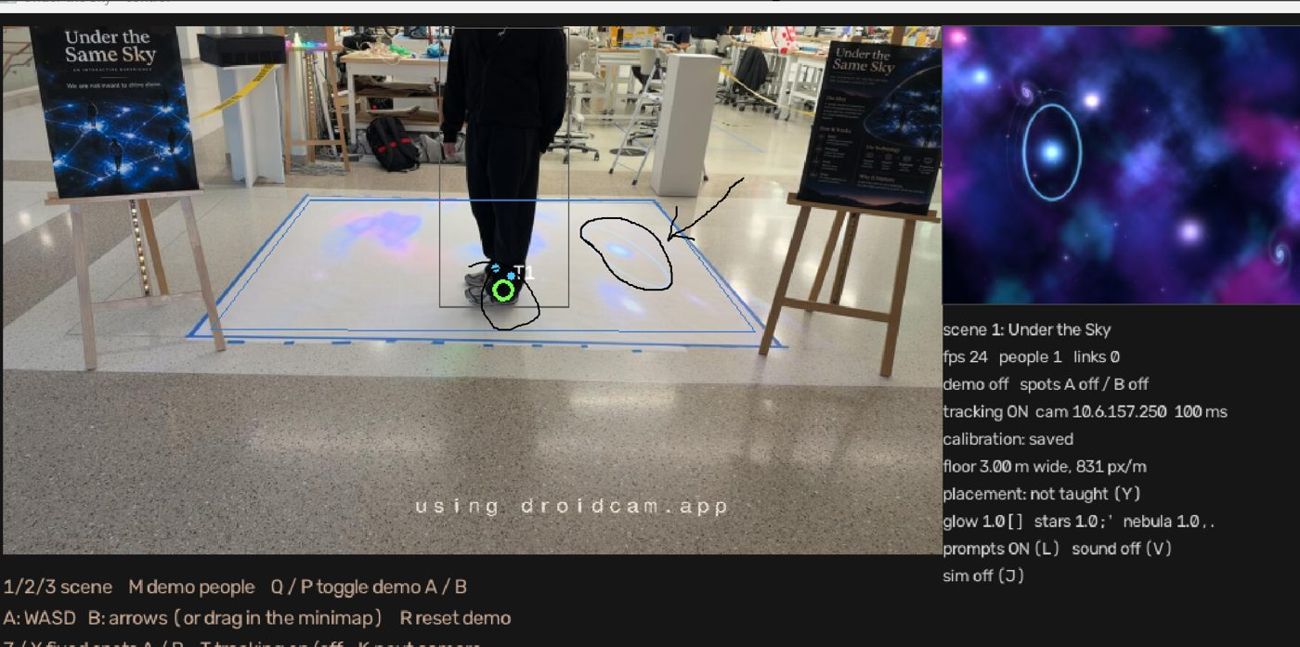
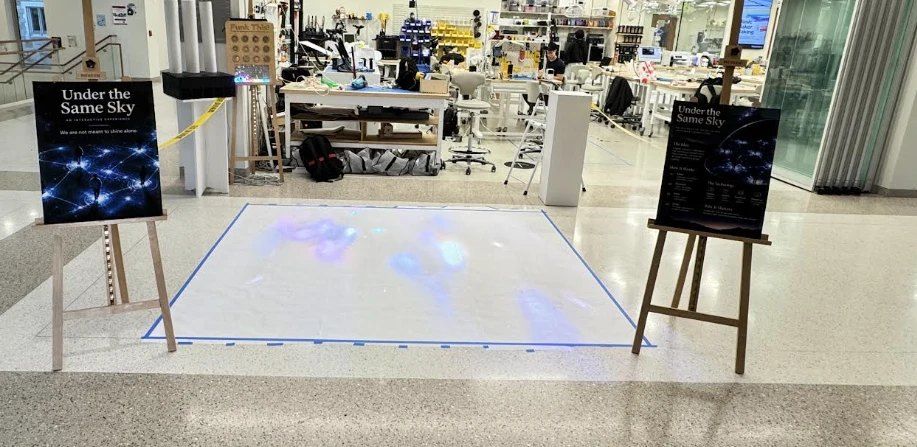
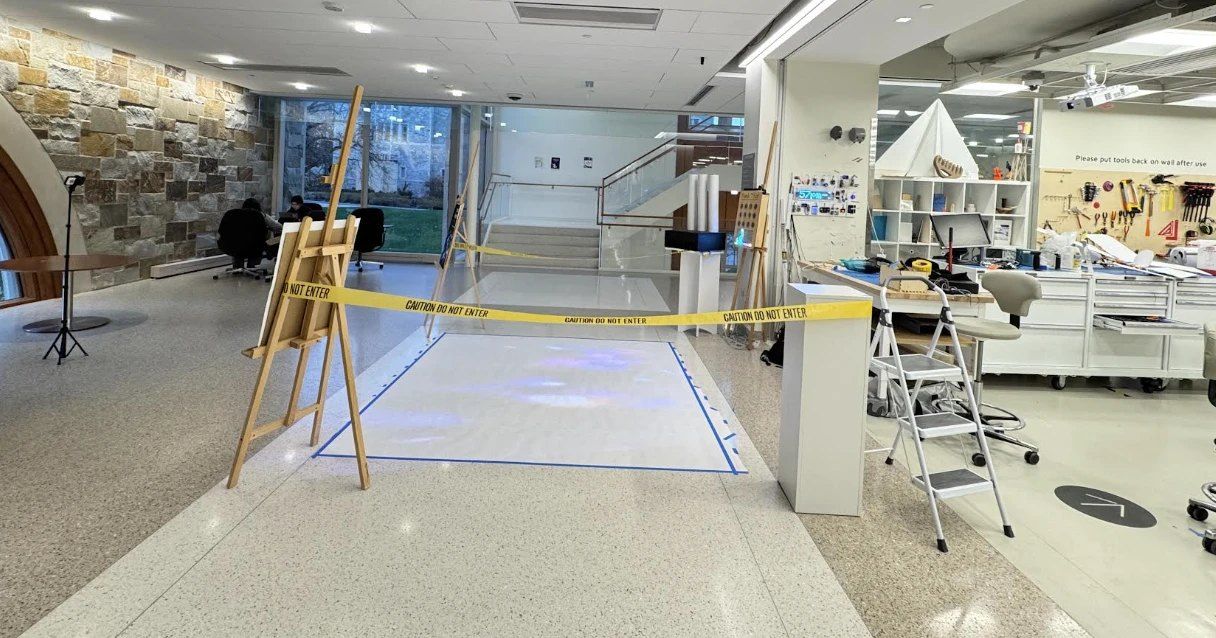
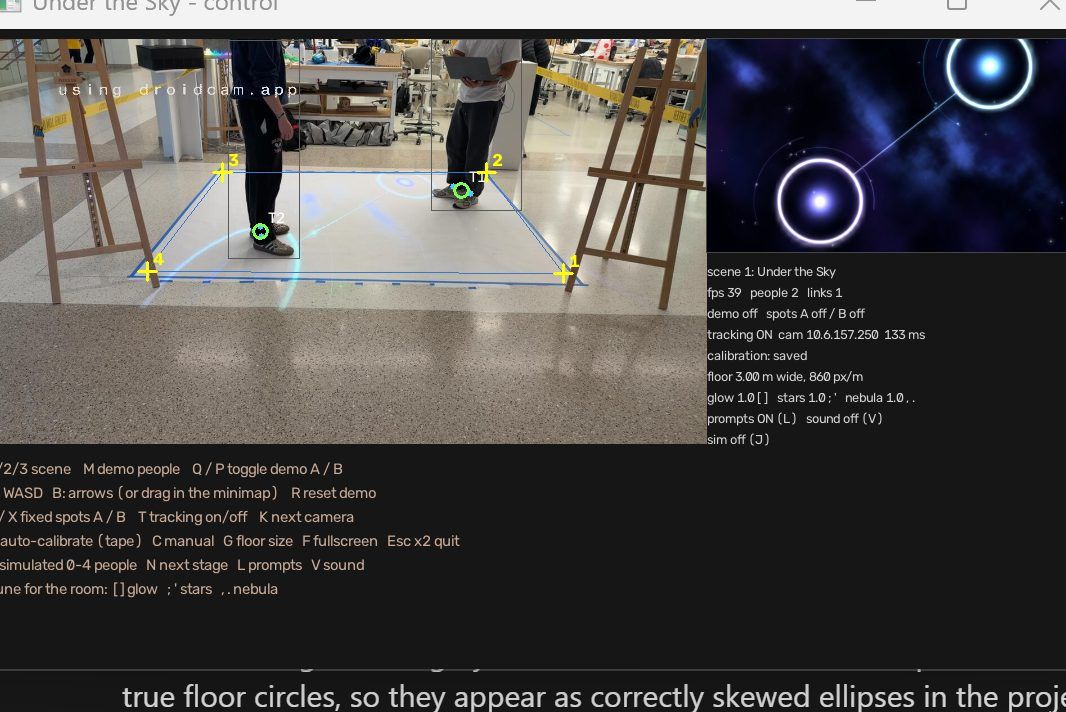
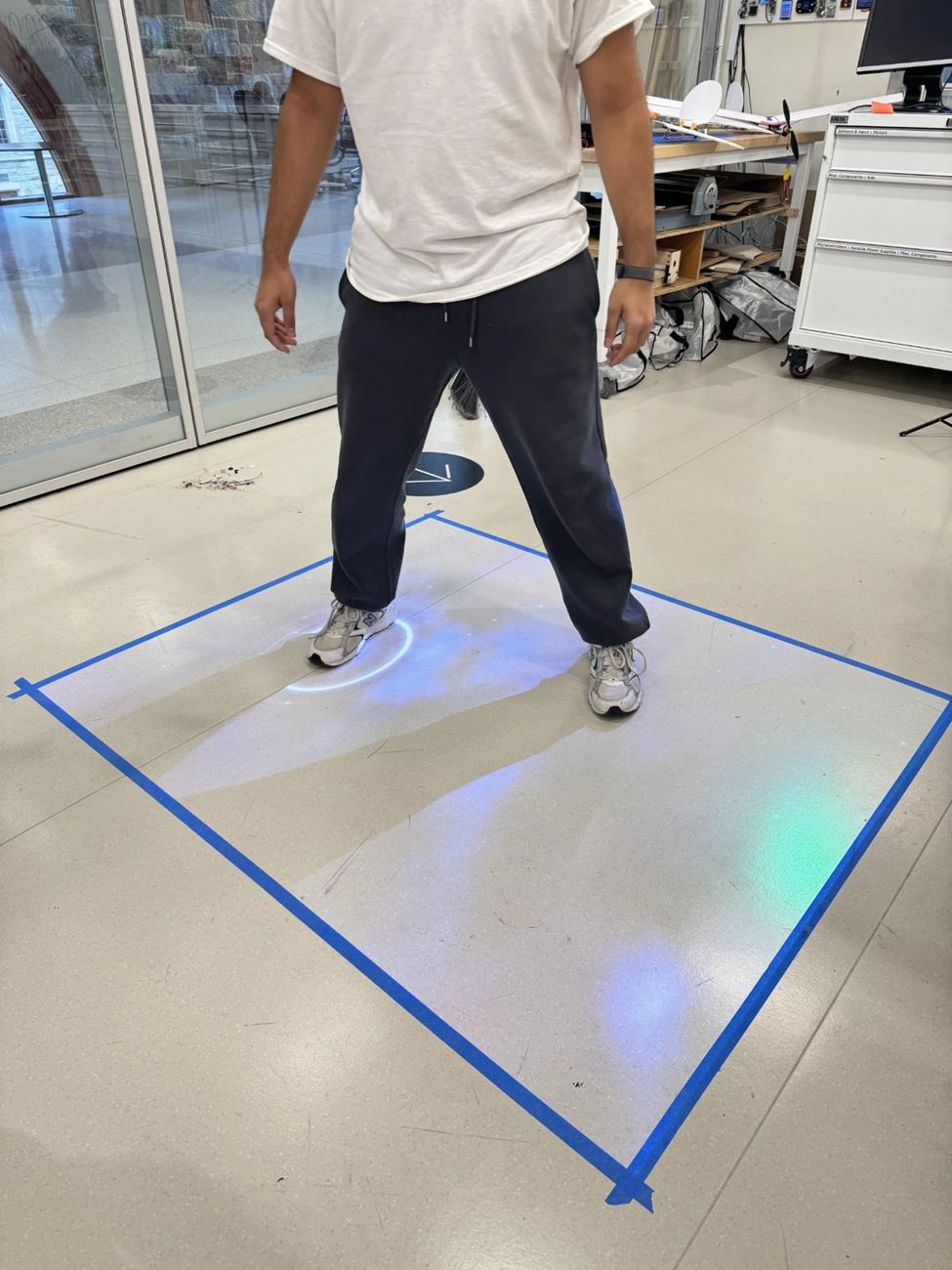
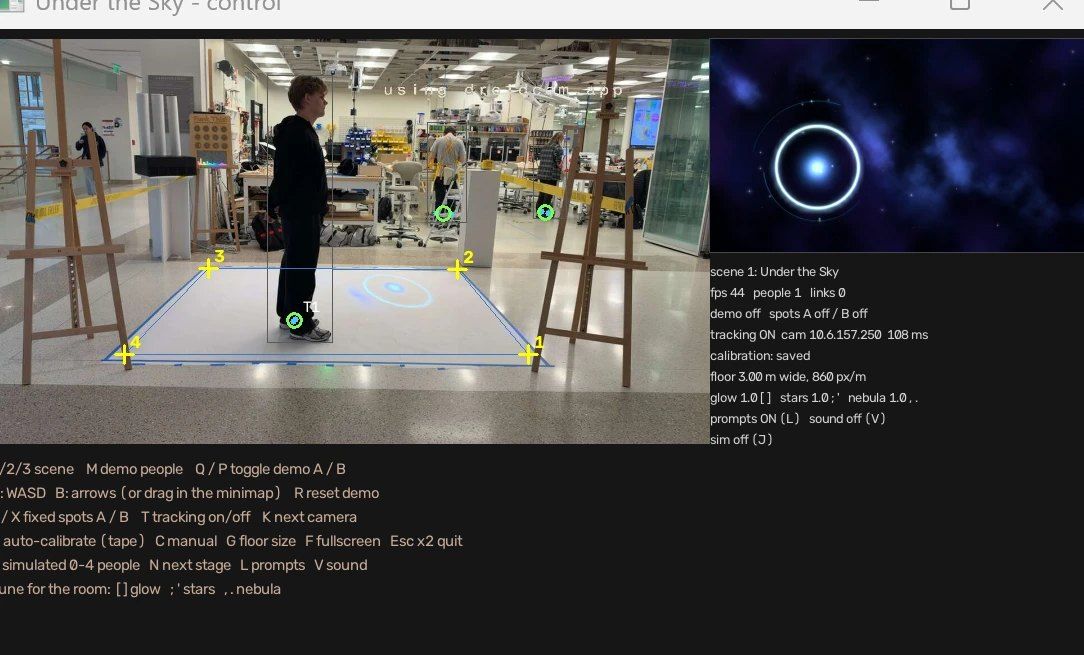
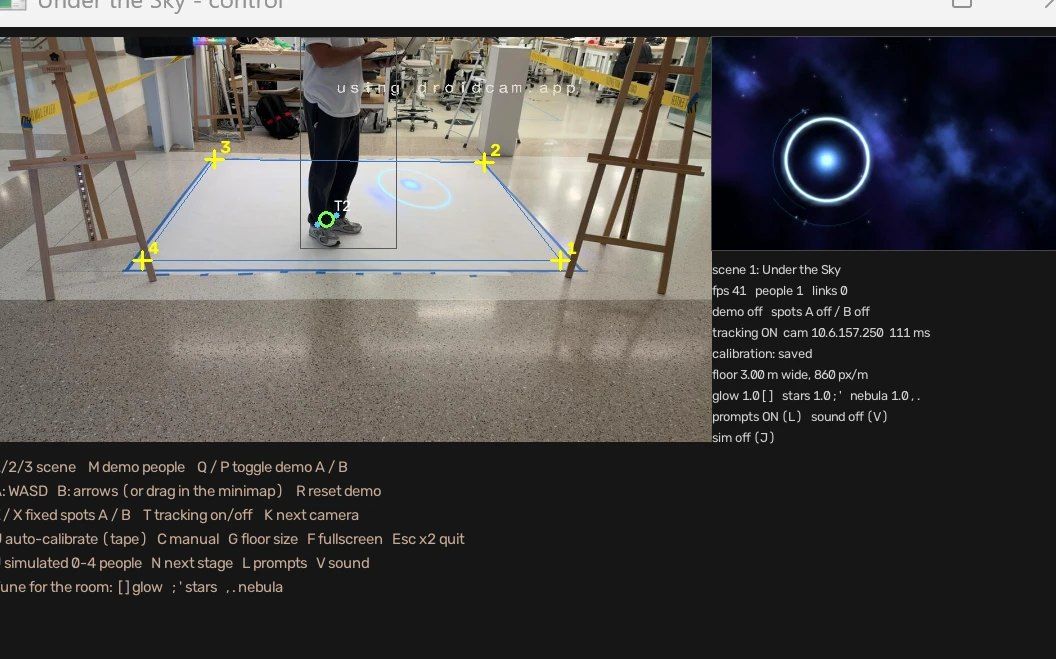
Live test, 16:09: the ring follows a foot.The finished floor in the Hatchery.Taping and roping off the space.
Under the Same Sky2 / 10
02 · Why we chose this project
A sky you share with whoever is next to you
Every answer we heard had a sky, a room, or a table that people were under together. We wanted to build that feeling into a place anyone could walk into.
Why a night sky
Almost every culture has looked up at the same stars and found meaning in them. It is one of the few experiences that belongs to no single tradition, so it leaves room for everyone's own interpretation.
Why the floor
Screens put people side by side, facing a device. A floor puts people face to face. You do not need to know how to use it: you just walk in.
Why it only reacts to people together
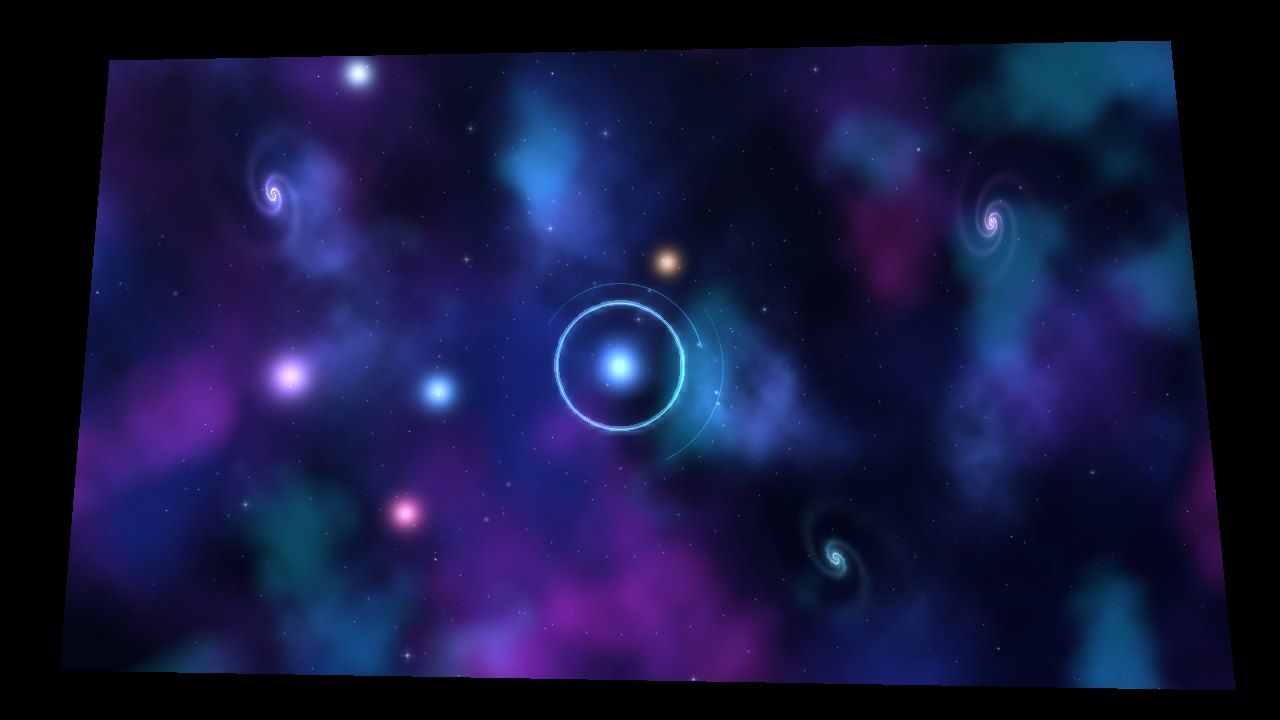
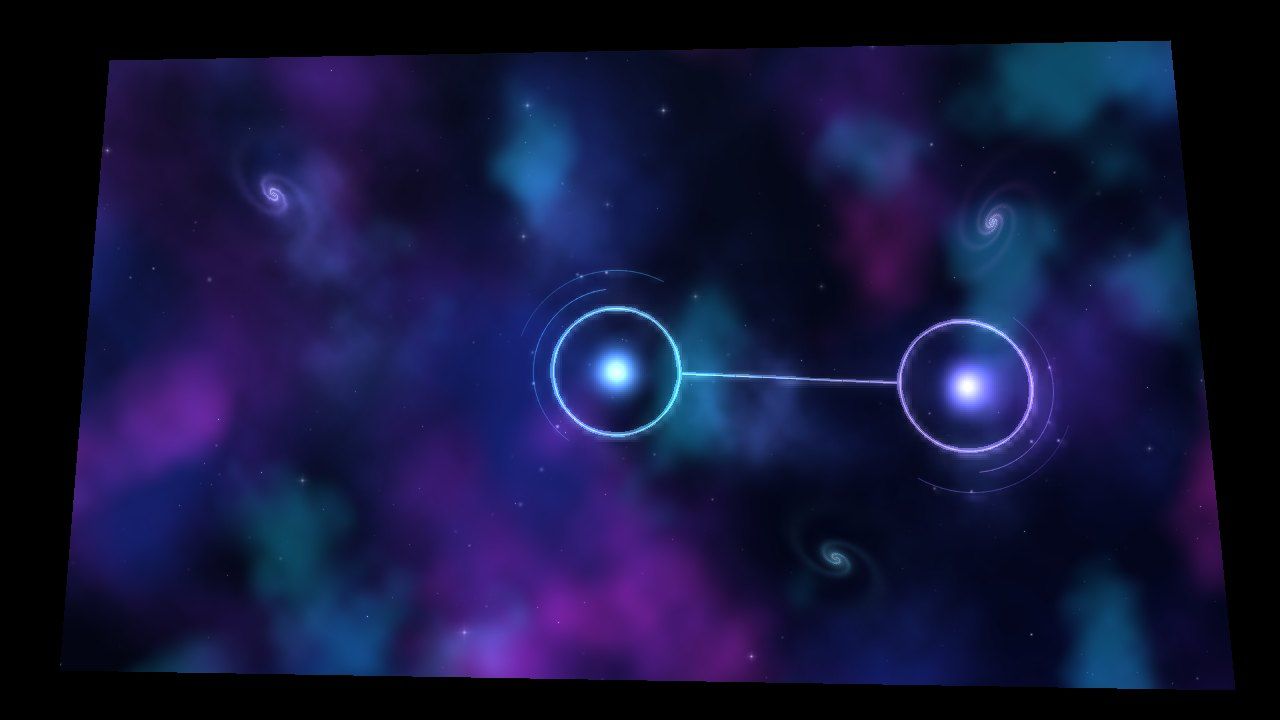
One person gets a calm orbit of light. Two people who pause near each other get a thread between them. The installation only becomes beautiful when strangers are close, so the "goal" is simply to be present with someone.
Why no instructions
There is no score and no text telling you what it means. Like the moments in our question, people make up their own meaning.
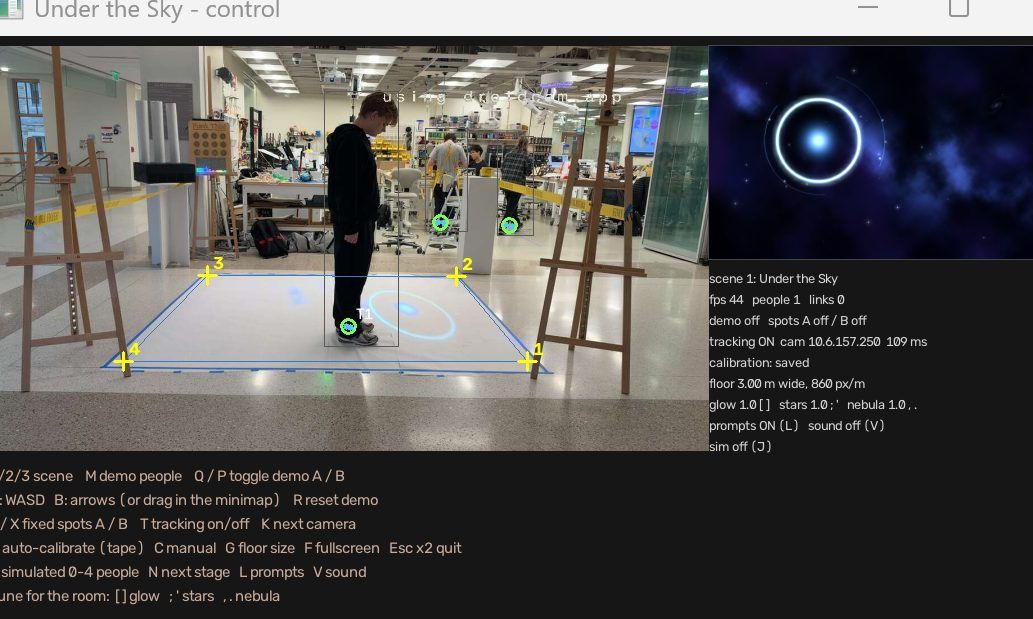
Trial, 15:02: one of us stands on the floor. The camera finds their feet (green) and the sky draws their ring.Trial, 15:30: two people on the floor, testing whether the thread forms between them.
Under the Same Sky3 / 10
03 · What this project is about
How the experience works
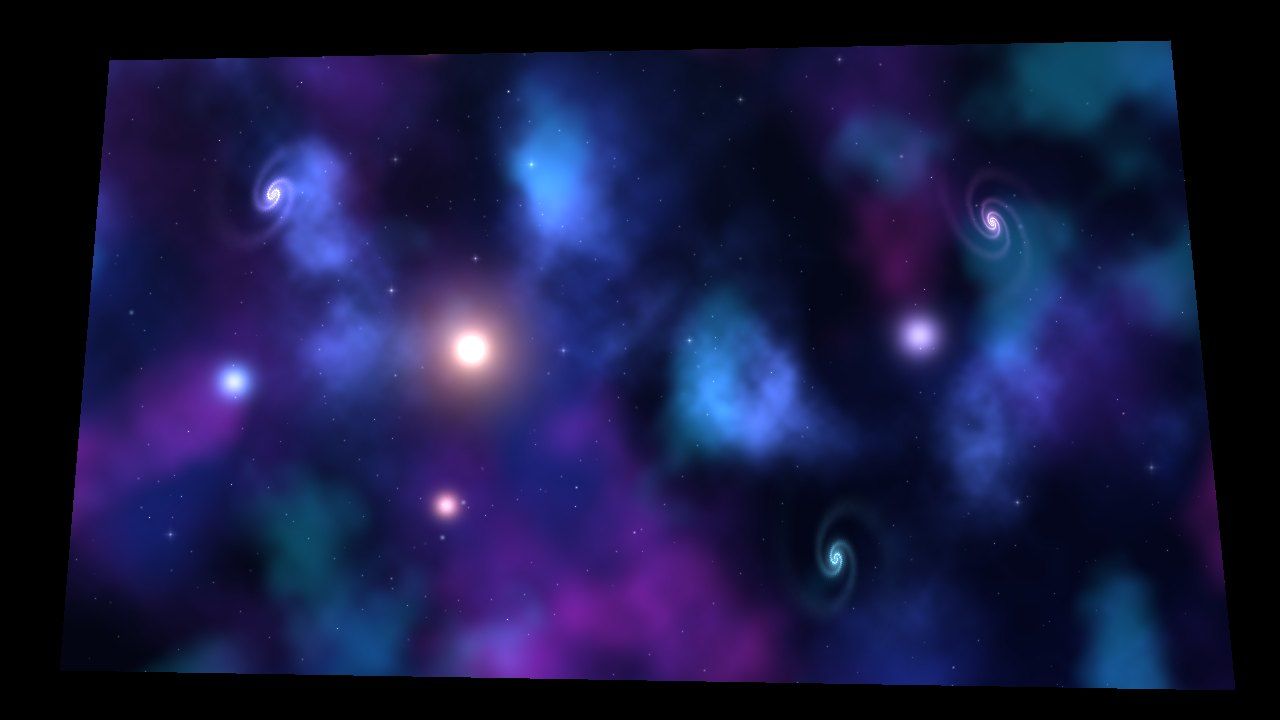
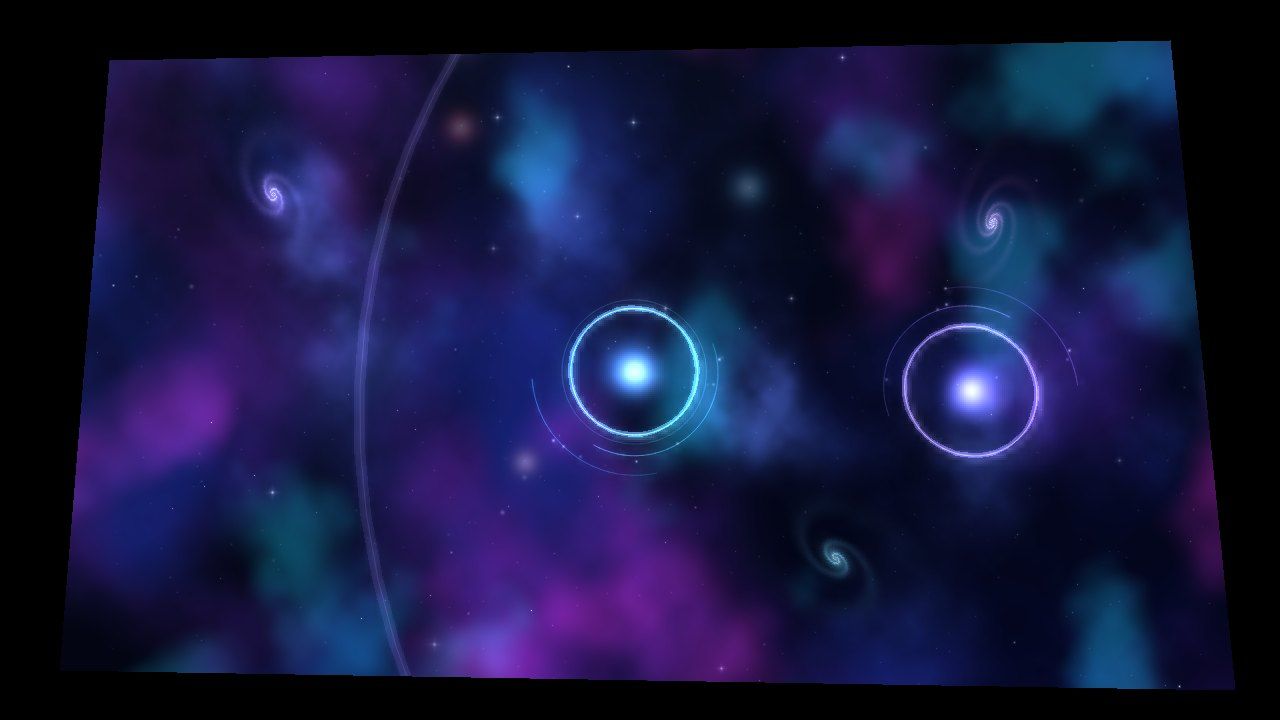
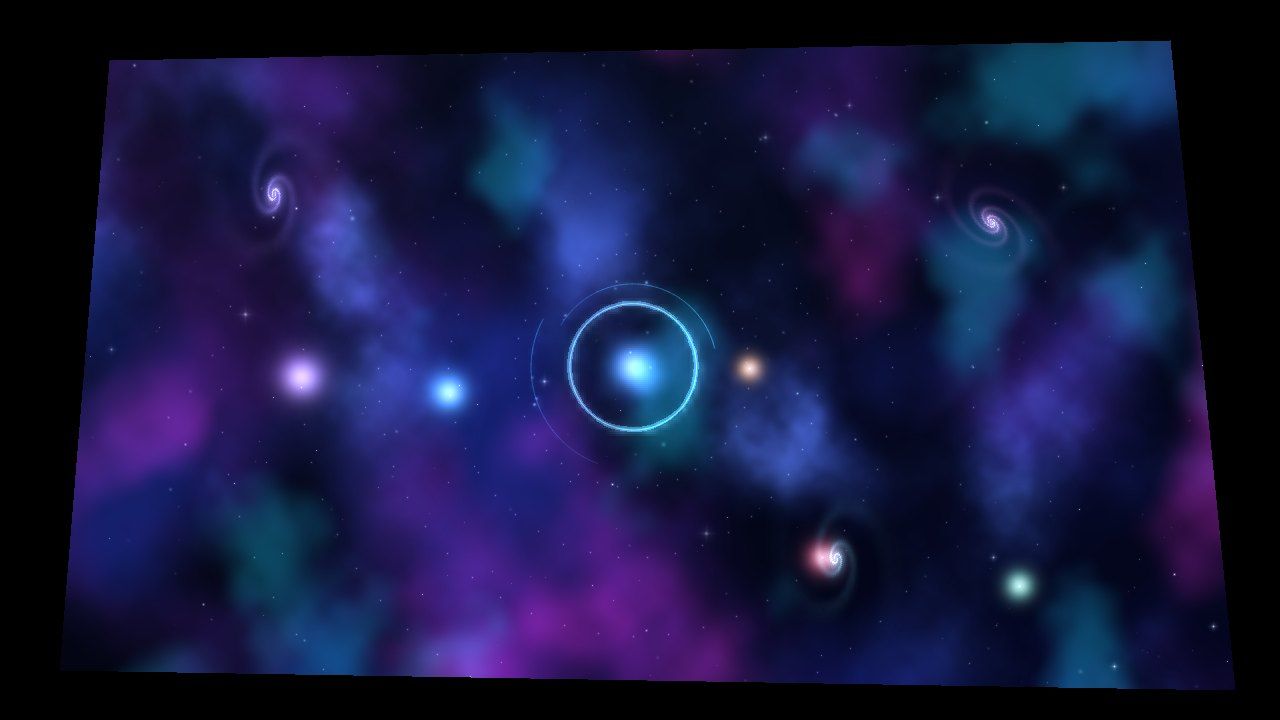
A projector turns a taped area of floor into a slowly drifting night sky. A camera watches the space and the software tracks where each person's feet are.
01
Enter. Step onto the floor and a ring of light opens at your feet, with two slow orbits in your own colour (cyan, violet, amber, mint or rose).
02
Arrive. A single soft wave goes out from you. When it reaches someone else, their orbit briefly brightens: the room notices you.
03
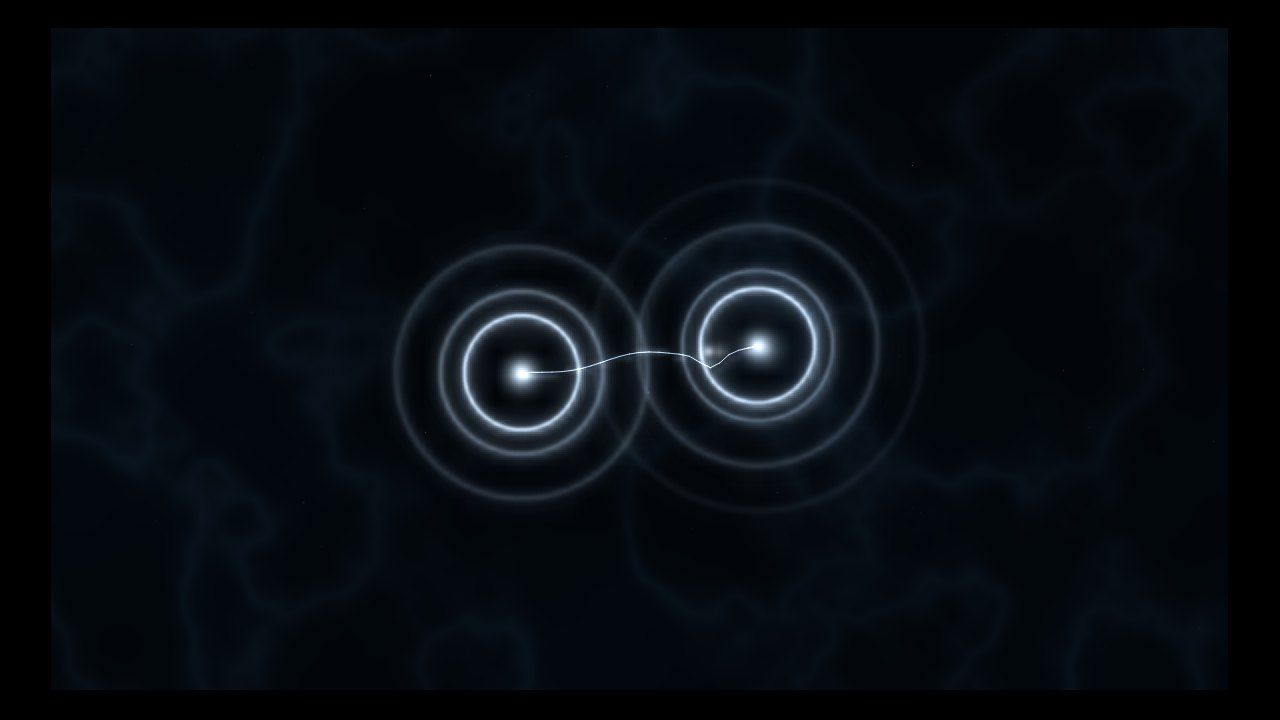
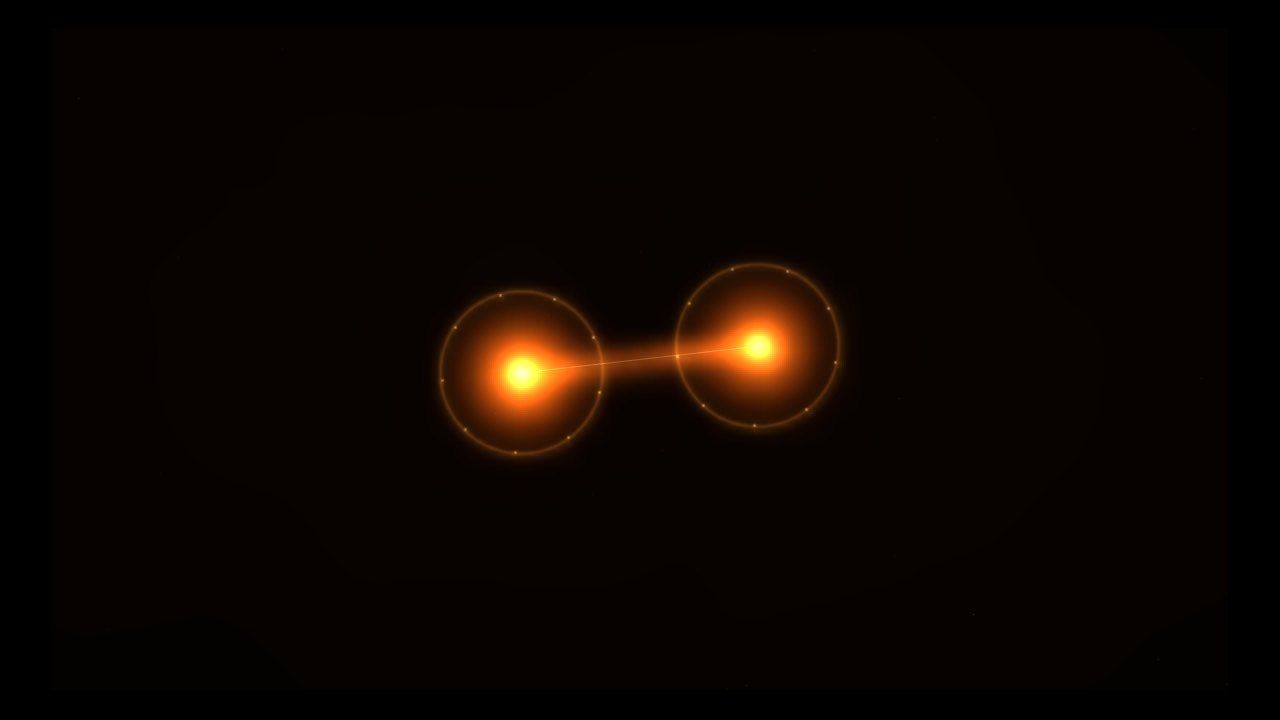
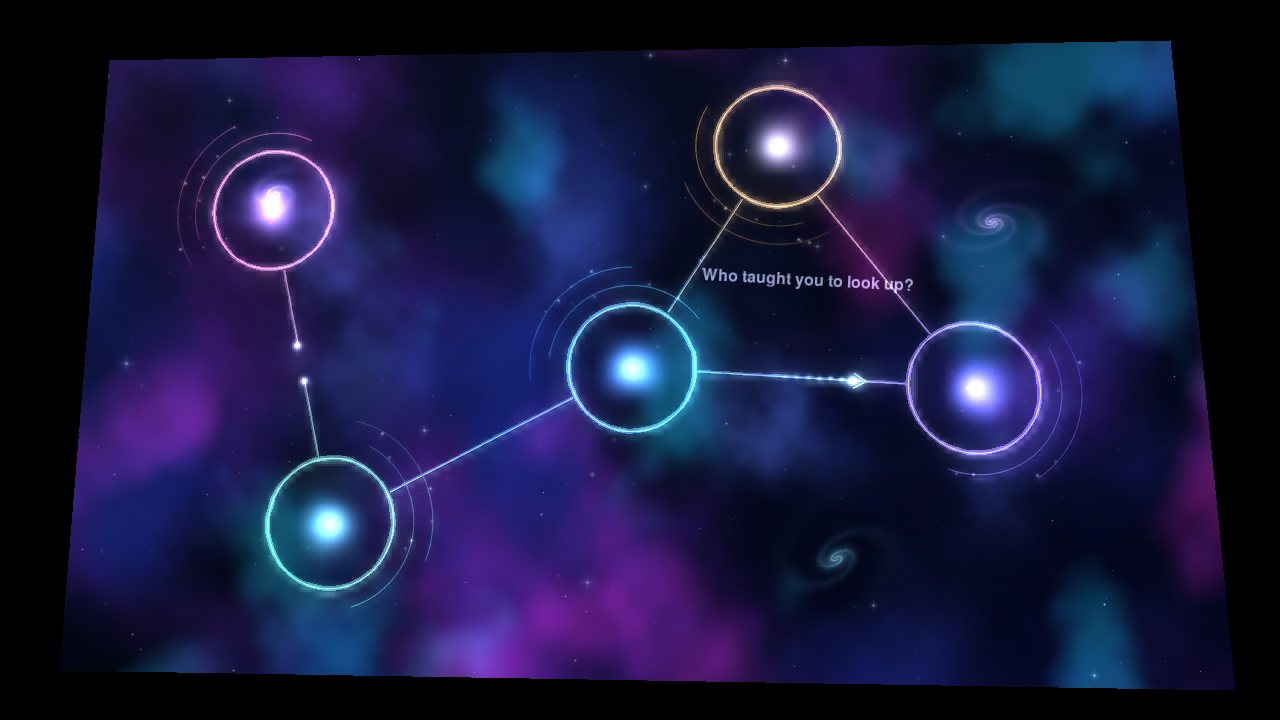
Connect. Pause within about 1.6 m of someone for a second and a thread of light grows between you, with a pulse travelling each way.
04
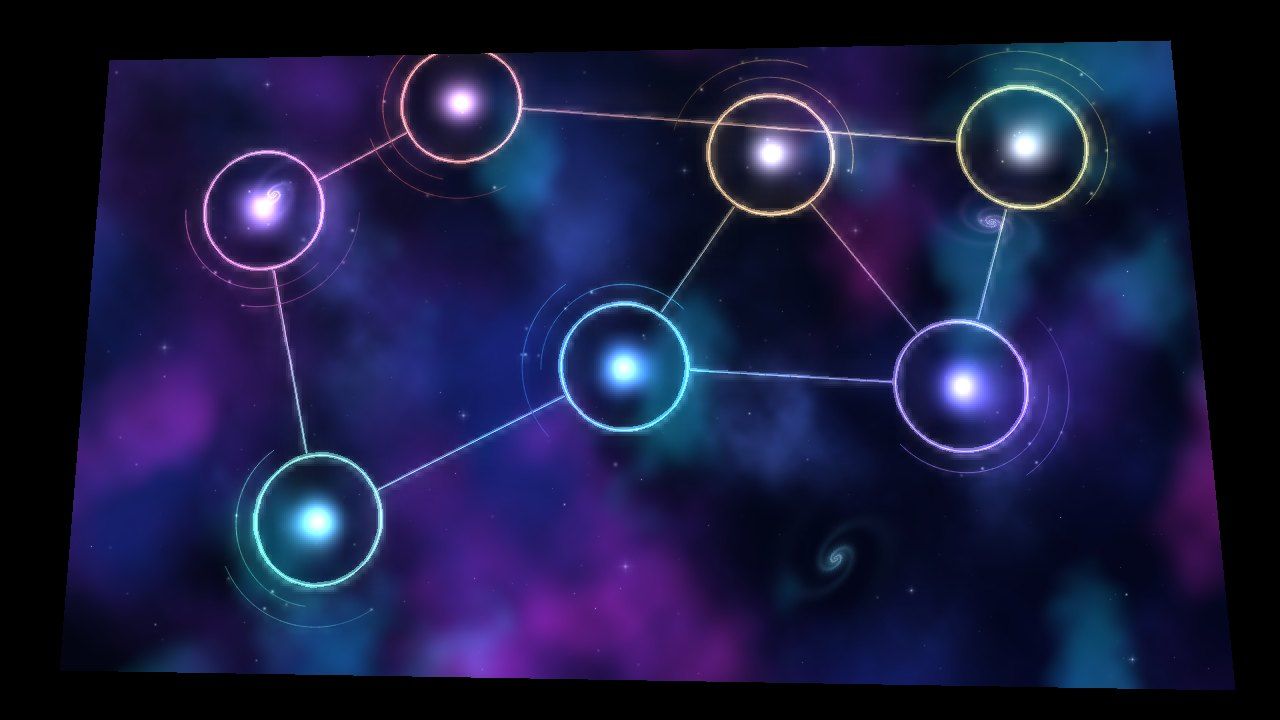
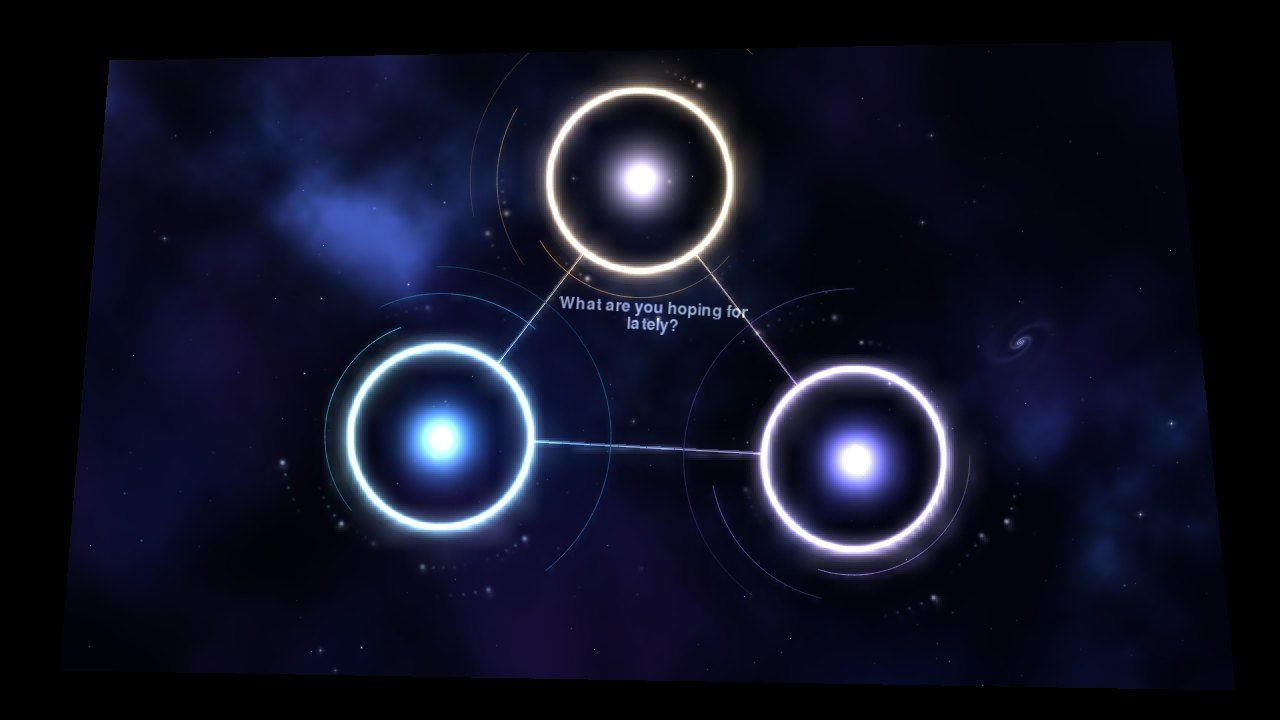
Form. More people make a constellation. Every newcomer always gets at least one thread.
05
Let go. Walk apart and the thread dissolves back into stars. The sky returns to calm.
Optional quiet prompts can appear beside a thread (for example, a question for the pair to answer together) to start a conversation.
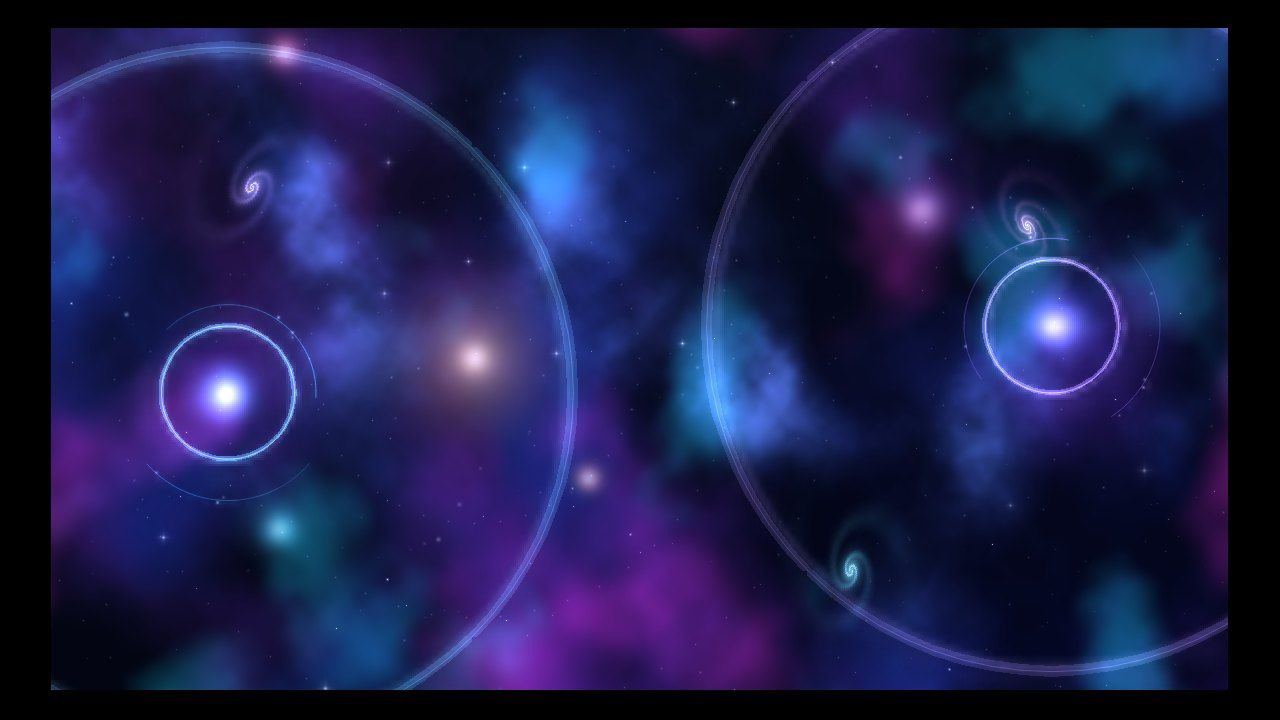
One person: a calm orbit.Two people pause: a thread forms.A group becomes a constellation.
Scene 1: Under the SkyScene 2: Still WaterScene 3: Temple Light
Under the Same Sky4 / 10
04 · Iteration 1
The first floor test
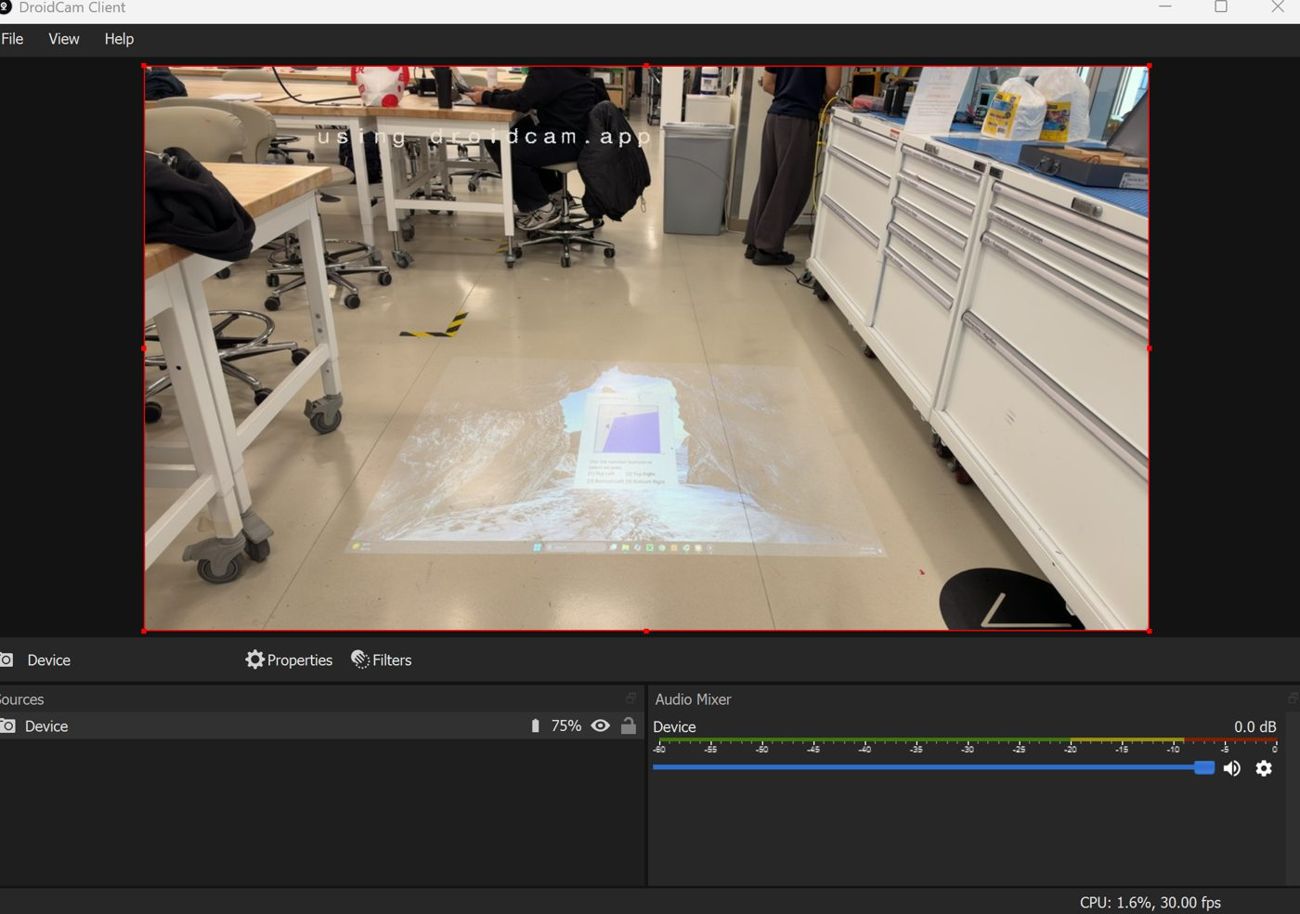
The first version was a small taped square in the makerspace, a projector pointed at the floor, and a phone streaming video over Wi-Fi as the camera.
11:12, the phone camera's first view of the projection (DroidCam).11:39, first calibration: the tape square seen by the camera.12:19, the first sky rendered by our code.
First test standing on it: the ring appears at a foot, but room light washes it out and the body's shadow cuts across.
What we learned
The idea worked. Even a faint ring under your shoe made people stop and look down.
Light was the enemy. A bright room flattens a dark sky, so we raised glow, star and nebula brightness and added live controls to tune them on site.
Shadows matter. The projector had to be placed so people's bodies did not block their own ring.
The floor was too small for more than one or two people, so we moved to a larger taped area.
The phone camera lags about 2 seconds, which later broke calibration (see page 7).
Under the Same Sky5 / 10
05 · The software
From a camera frame to a thread of light
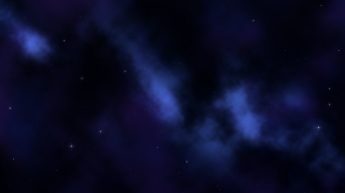
Everything on the floor is drawn live in Python. No video files: the sky, rings and threads are generated each frame and react to real positions.
CameraPhone over Wi-Fi (DroidCam) or webcam
→
YOLO11 poseFinds each person's ankles
→
TrackerKeeps an identity and colour per person
→
CalibrationMaps camera pixels to floor metres
→
PygameRenders the sky to the projector
Key decisions
Feet, not bodies. Each person's floor point is the average of their confident ankle keypoints, falling back to the bottom of their bounding box.
Real-world units. Ring size and link distance are in metres, so a bigger floor still feels human-scale.
Calm by design. Orbits never spin faster when people connect. Threads only form after a one-second pause, so walking past someone doesn't count.
Forgiving tracking. If the camera loses someone for under 3 seconds, they keep the same colour and don't trigger a new arrival.
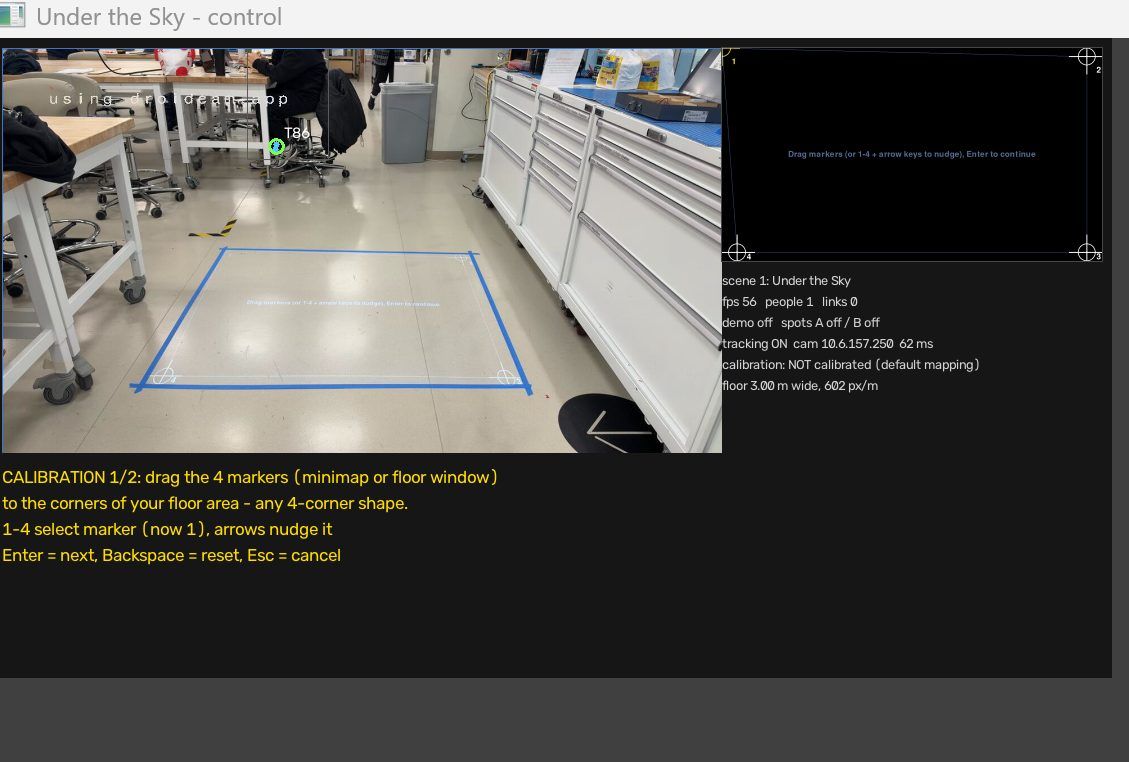
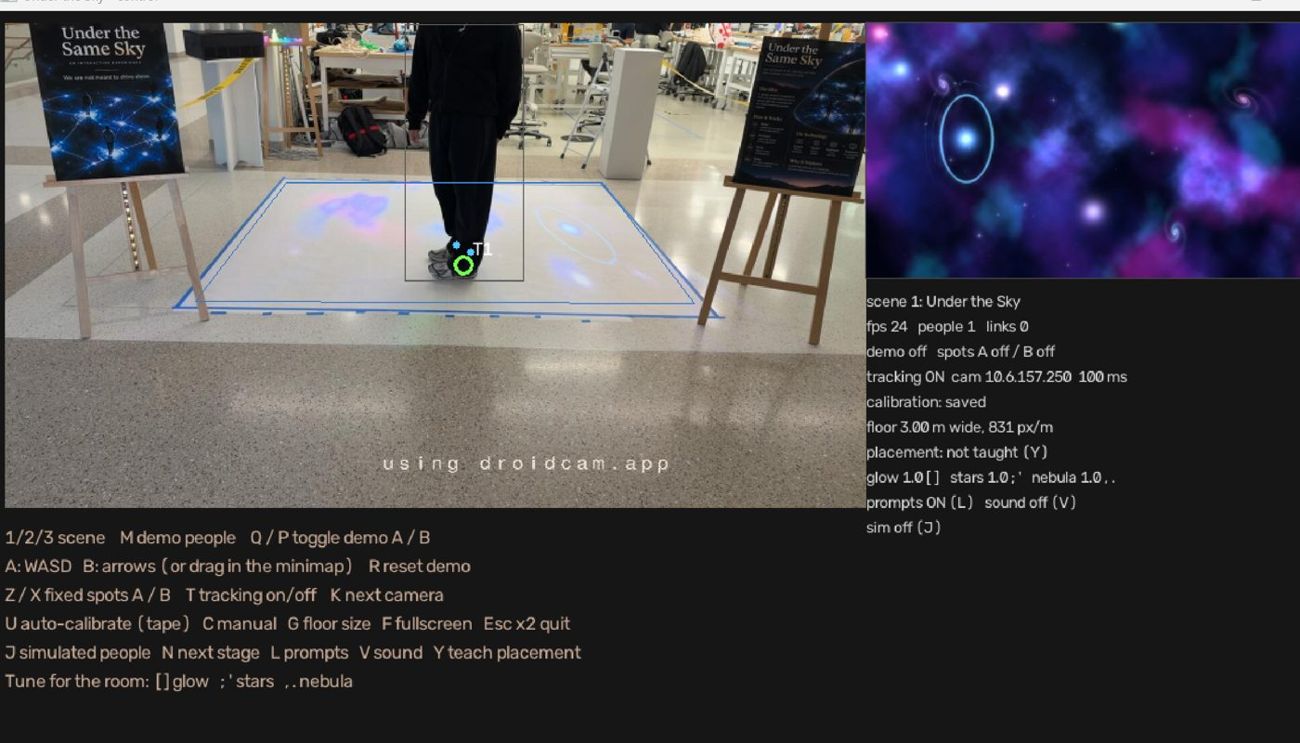
A laptop control window shows the camera, tracked feet and status, so nothing technical is ever drawn on the floor.
Testing without people
We wrote a scripted simulation of 0 to 4 people (empty, solo, pair, triangle, web, crossing, leaving) and automated self-tests that check every stage, so we could work on the visuals without anyone standing on the floor.
Empty floorOne personArrival waveThreadConstellationCalm againSimulation: three people, with a shared prompt beside a thread.
Under the Same Sky6 / 10
06 · What didn't work
Debugging: rings that missed your feet
The hardest problem was not the visuals. It was making the ring land exactly under a person when the camera and the projector see the floor from different angles.
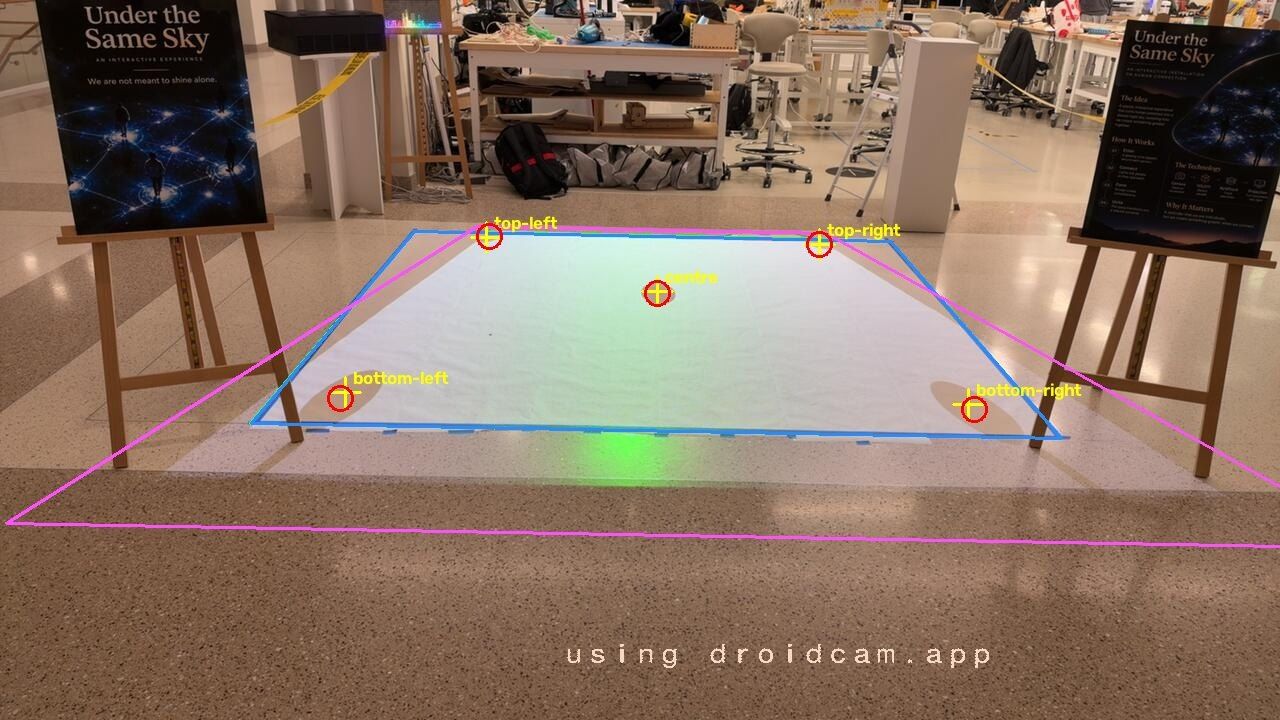
ProblemControl window: the camera sees the person, but the ring on the floor sits beside their feet.FixedAfter recalibrating and teaching placement: the ring sits under the person.
What broke
Why
What we did
Manual corner clicking
Clicking four corners by hand was slow and slightly off every time. We recalibrated six times in one afternoon.
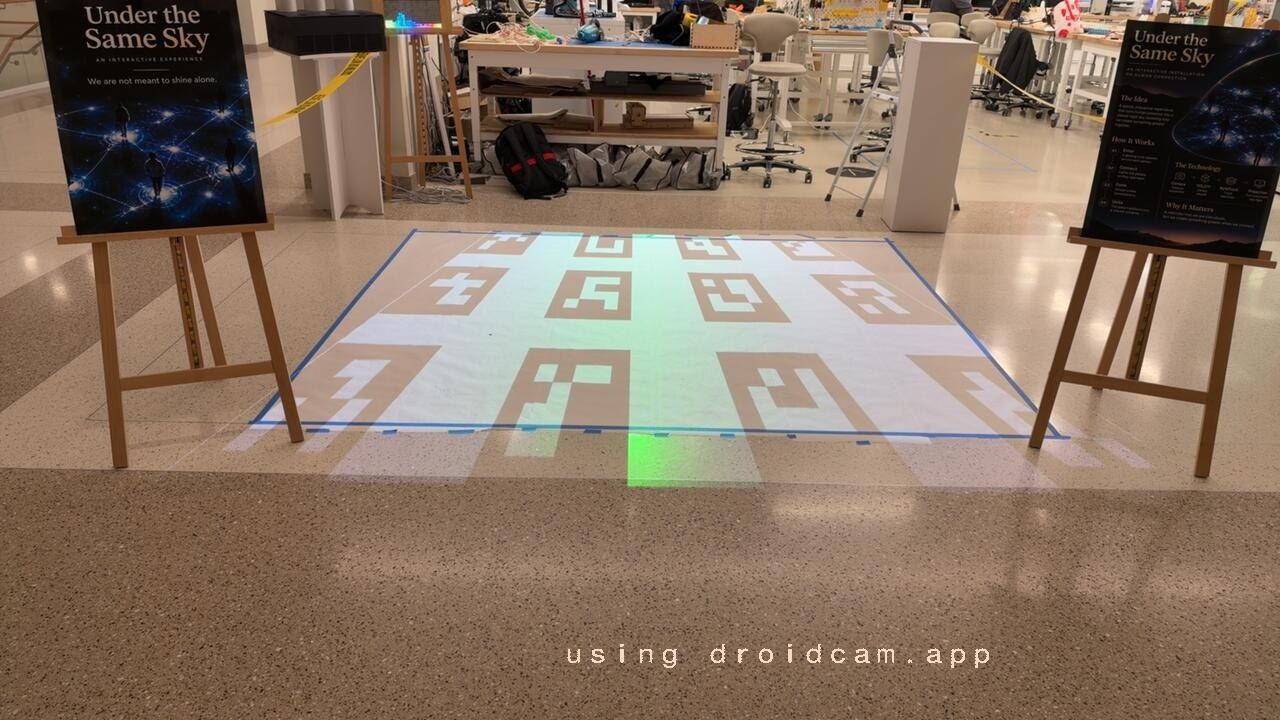
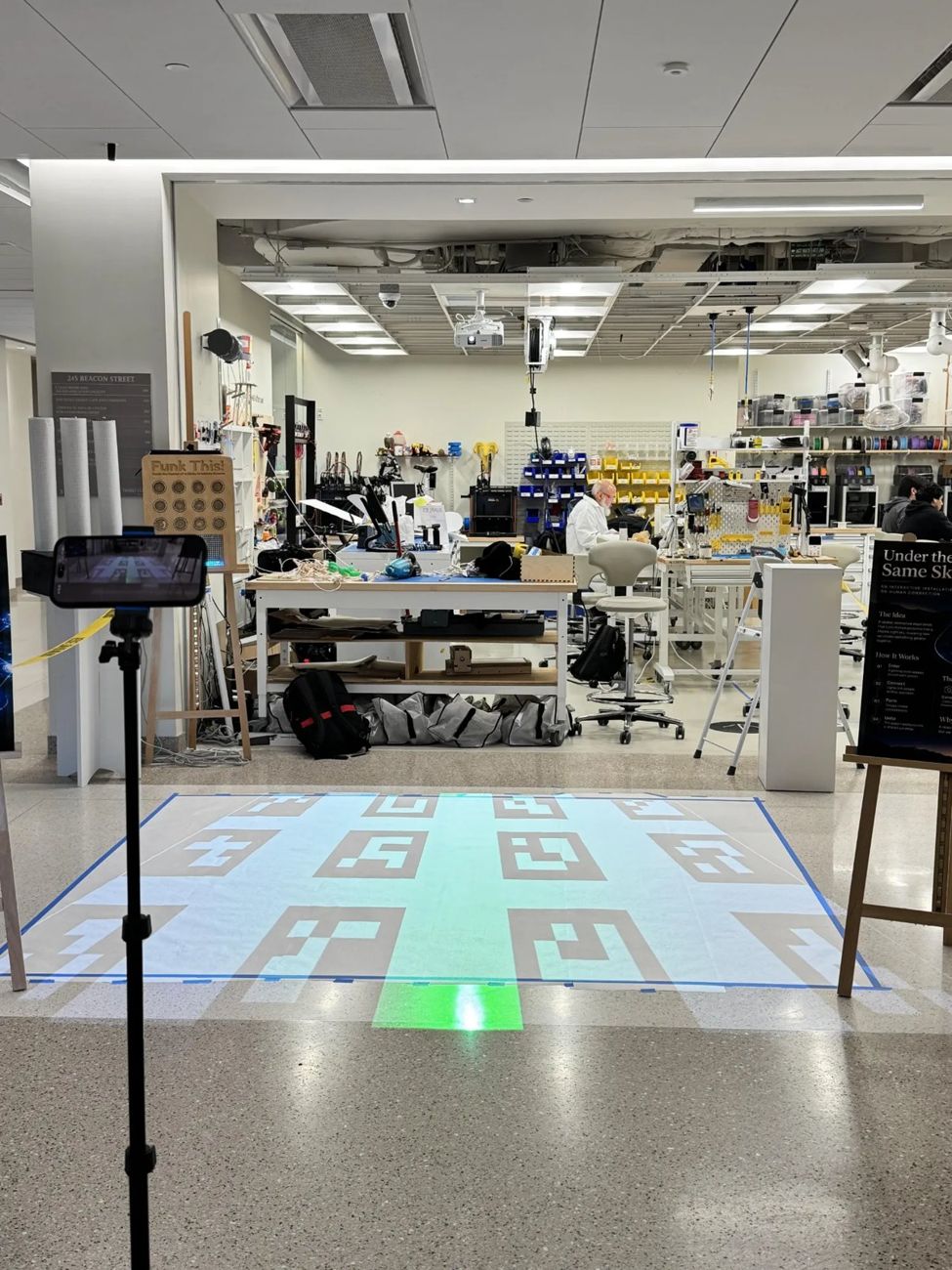
Built an auto-calibrate key that projects numbered ArUco markers and finds them in the camera image.
Markers unreadable far away
The camera sits low, so far markers look squashed. Whole quadrants of the floor came back empty.
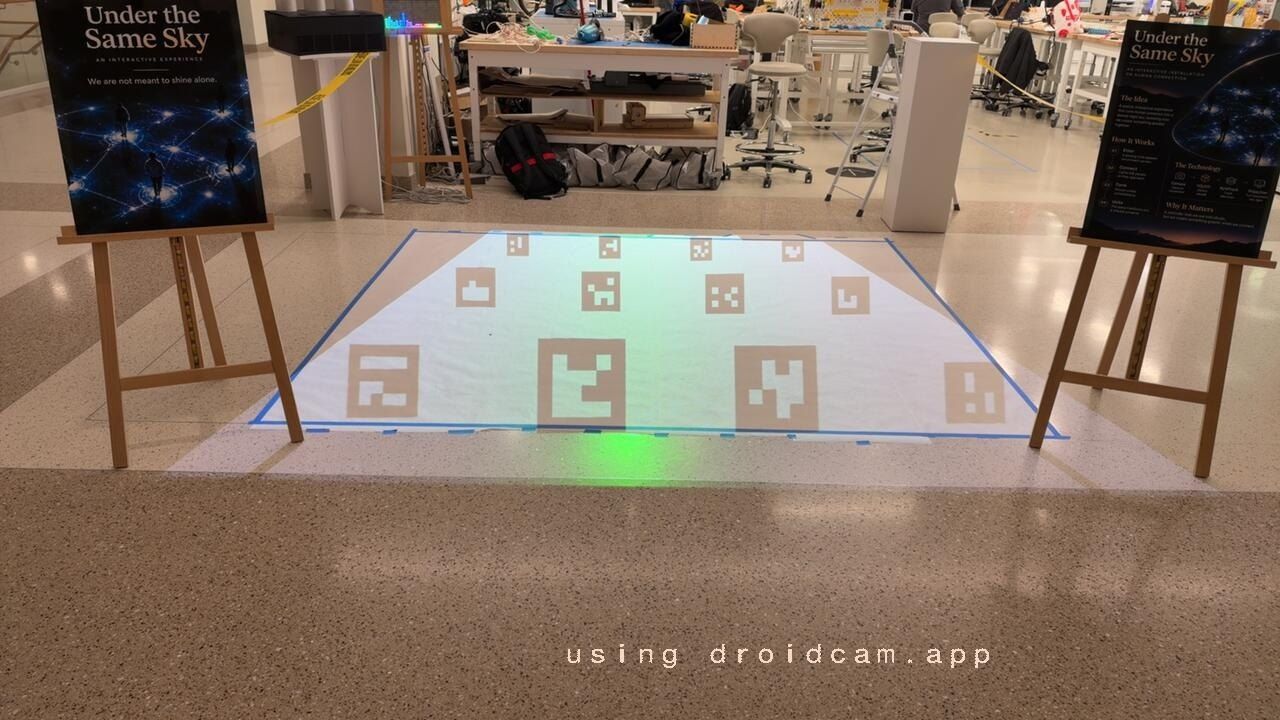
Retry with larger markers, then markers pre-stretched to look square to the camera.
Calibrating on old frames
The phone feed runs ~2 s behind, so the software was reading the previous pattern.
Wait until the camera actually shows the new grid before reading it.
Rings still slightly off
Ankles are above the floor and the lens bends the image.
Teach placement: a friend stands still, we click where the ring should be at 5 to 9 spots, and the software corrects the whole floor.
Marker grid A: bottom half unreadable.Grid D, pre-shaped markers: all four quadrants found.Verification: projector footprint, tape and play area checked.
Under the Same Sky7 / 10
07 · The installation
Building the space
The final setup turns a corner of the Hatchery into a small gathering place: a taped floor, two easels with posters, a rope boundary, and a camera on a tripod.
The floor and posters from the entrance.The sky on the floor, framed by the easels.
Taping out the play area and roping off the space.
Setup in one list
Projector as an extended display, aimed down at the floor
Phone camera on a tripod, high enough to see feet across the whole area
Blue tape marks the floor; the software only reacts inside it
Dimmed lights, with brightness tuned live from the laptop
Fallback mode: fixed glowing spots if tracking ever fails during a demo
Camera tripod looking down the floor during auto-calibration.
Under the Same Sky8 / 10
08 · What was the division of work
Who did what, and when
Two people, one afternoon. Here is how the work split and how the day went.
Vedarsh Mishra
Software & tracking
Pose tracking pipeline (camera, YOLO, tracker)
Rendering the sky, rings, threads and scenes
Calibration, auto-calibration and teach placement
Simulation and automated tests
Uladzislau (Vlad) Hoila
Concept, space & testing
The guiding question and experience design
Posters and visual identity
Physical setup: projector, tape, easels, camera
Walking the floor to test and tune tracking
Timeline of the build
Time
Milestone
Morning
Asked "when have you felt connected to something bigger than yourself?" and settled on the design principle.
11:12
Projector on the floor and the phone camera streaming it to the laptop over Wi-Fi.
11:39
First calibration screen: matching the camera to the taped square.
12:19
First night sky rendered by our code; first simulations of 0 to 4 people.
14:43
Moved to the larger taped floor. Recalibrated six times as the camera and projector moved.
15:02 – 15:30
First live trials with a person tracked. Rings landed beside feet; fixed circles so they look round on a skewed floor.
16:07 – 16:12
Posters and rope up; live tracking working in the finished space.
16:43 – 16:52
Auto-calibration failed twice (empty quadrants), then passed with pre-shaped markers.
17:21
Final calibration saved on the 3 m floor. Ready for the Hatchery.
Under the Same Sky9 / 10
09 · Spirituality & what's next
How it helps people connect with something bigger
The installation does not tell anyone what to believe or feel. It does three things that the moments in our question had in common:
It slows people down. Threads only appear when you pause, so the experience rewards stillness and attention.
It makes connection visible. Strangers literally see a line of light between them, a picture of the idea that we are tied to one another.
It puts everyone under one sky. No one is in front or behind. The meaning people find is their own, whether that is faith, wonder, or just a conversation with a stranger.
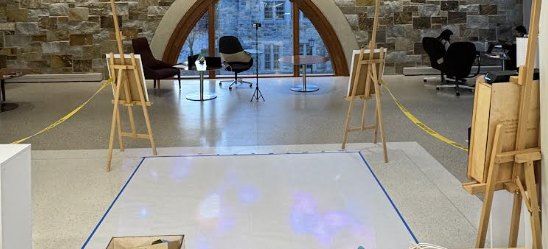
Testing in the finished space, and the floor under the Hatchery arch.
Where we want to take it
Parks
A portable projector and camera that anyone can set up on a path or plaza at night.
Social gatherings
Orientation weeks, retreats, community and faith events, where people arrive as strangers.
Conversation prompts
Questions that appear between connected people, so a thread of light becomes a real conversation.
Images
Every photo here is real, from our build and test day: phone camera feeds, calibration frames, our laptop control window, and the installation. The sky renders on pages 4 and 6 are output from our own code.
Short video clip
A short clip of people walking the floor and forming threads accompanies this document.